

This post is also available in:
How-to Guide: Starting a Housing Co-operative
Do You Dream of Starting a Housing Co-operative?
There is no one-size-fits-all approach to establishing a new co-op but this guide outlines some of the key steps to turn your co-operative housing dream into a reality.
This guide is meant to provide an overview of the process so that your group can assess your current skills and resources and better understand if starting a housing co-op is the right step to take.
Organize Your Group
Early on in this process you’ll want to solidify your core group. Together, you will create a vision and share the work involved with achieving your co-op housing goal. Typically, at least three people are needed to incorporate a co-op, so keep this in mind now while you’re still organizing your core group.
This is also a good stage to brainstorm co-op names and – once you have a preferred name – consider reserving it now prior to incorporation.
Registering a name is a provincial/territorial responsibility with registries for each jurisdiction, though there is no registration of names in Newfoundland and Labrador.
You might also want to purchase the domain name for a future website.

Clarify Your Vision
Creating and clarifying a vision for your group is critical. This vision will help guide you in each decision you make. At every stage of the journey you’ll be able to ask yourselves, “Is this decision we are making in alignment with our vision?”
Some questions to consider:
- What is the need within our community that we seek to meet?
- Why do we want to use the co-op model?
- Does our group follow and support all of the internationally-recognized co-operative principles?
- What do we hope to achieve by creating a new co-op?
- Is our interest only in housing or are we looking to create a community space or hub?
- Are we looking to create affordable housing?
- Are we looking to create accessible housing?
- Are we looking to create environmentally-sustainable housing?
- Have we thought about how we will operate new co-op housing?
Need Guidance?
Read the co-cooperative principles.
Co-operative principlesReview the Guidelines for Operating a new Co-Op.
Guidelines for new co-ops
Review Co-op Housing Legislation
It is a good idea to review the co-op housing legislation for your region. Co-operative housing legislation is governed by each province or territory, so regulations change depending on where you reside.
Find the Co-op Act for your province or territory to better understand the regulations that will govern your new co-op, once it is formed.
Find your provincial act
Be Financially Viable
This type of partnership is harder to secure for new or small groups without a history of successfully managing and operating non-profit housing.
Some questions to consider:
- Which model fits best with our group’s co-op housing goals and vision?
- Does our group have the financial capacity to make equity contributions?
- Does our group have the non-profit housing experience and expertise to obtain private or government funding or financing? If not, are there potential groups or organizations in our area we can partner with? Are there social service organizations in our jurisdiction we could partner with?

Find Support
There may be government programs in your region for building, acquiring, or converting affordable housing. However, funding is typically provided for organizations with experience, not new or smaller groups.
If your non-profit group has land but can’t access funding to build, have you considered partnering with an existing co-op or a land trust in your area?
If your co-op group has raised some, but not all, of the needed funds, have you reached out to other charitable groups or housing organizations who may have an interest in partnering with you on your project?

Work with Consultants and Advisors
You will need the expertise of consultants and advisors to pursue development. There can be significant differences between the for-profit and non-profit worlds when it comes to housing development and real estate law so you will want to seek experts with non-profit and/or co-op housing experience.
Once you’re at the stage where you are ready to work with technical experts, we have a consultant network to which we can refer CHF Canada members.
Some questions to consider:
- Do we need the help of a development consultant at this stage to determine if our plan is feasible?
- Have we found a lawyer with experience in co-op housing?
- Have we reached out to any co-op housing sector groups for ideas or suggestions of non-profit professionals?
- Do we have funds set aside for engaging consultants at this time?

Incorporate Your Co-operative
Before Incorporating, you’ll need to have decided on a legal name for your co-op.
The Incorporation process is different depending on your location.
Find the information on how to incorporate in your province or territory.
You may prefer to have a lawyer assist with the submission process or your group may choose to file the incorporation documents on your own, following the perimeters set out by your province or territory.
How to incorporate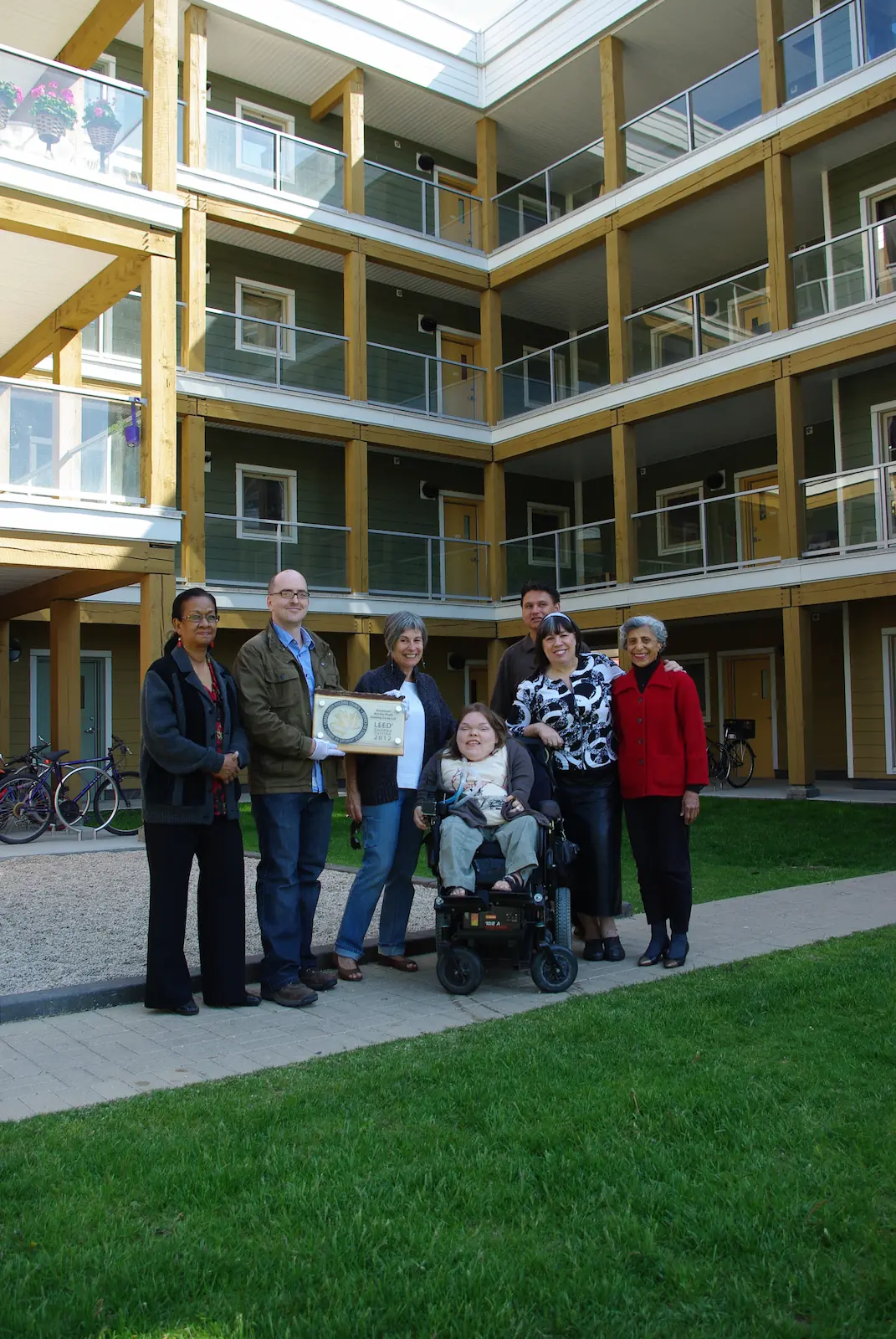
Join Co-op Sector Organizations
Once your group has incorporated, you are now eligible to join CHF Canada!
Dues are charged on an annual basis, and your group will gain access to all of CHF Canada’s programs and services, including template bylaws, development educational resources and our referral program to connect you with development professionals in your region.
In British Columbia, Alberta, Quebec, Newfoundland and Labrador, and some parts of Ontario, there are regional co-op housing federations that also provide services to housing co-ops, including advice and advocacy.
Join CHF Canada under the “Co-ops under development” membership category! Review all due information and apply now.
Become a MemberFind your local federation and reach out to them directly for information on becoming a member.
RegionsLearn more about the sector’s Co-op Housing for All vision – an exciting commitment by housing co-ops and sector organizations to work together towards sustainability and growth.
About Co-op Housing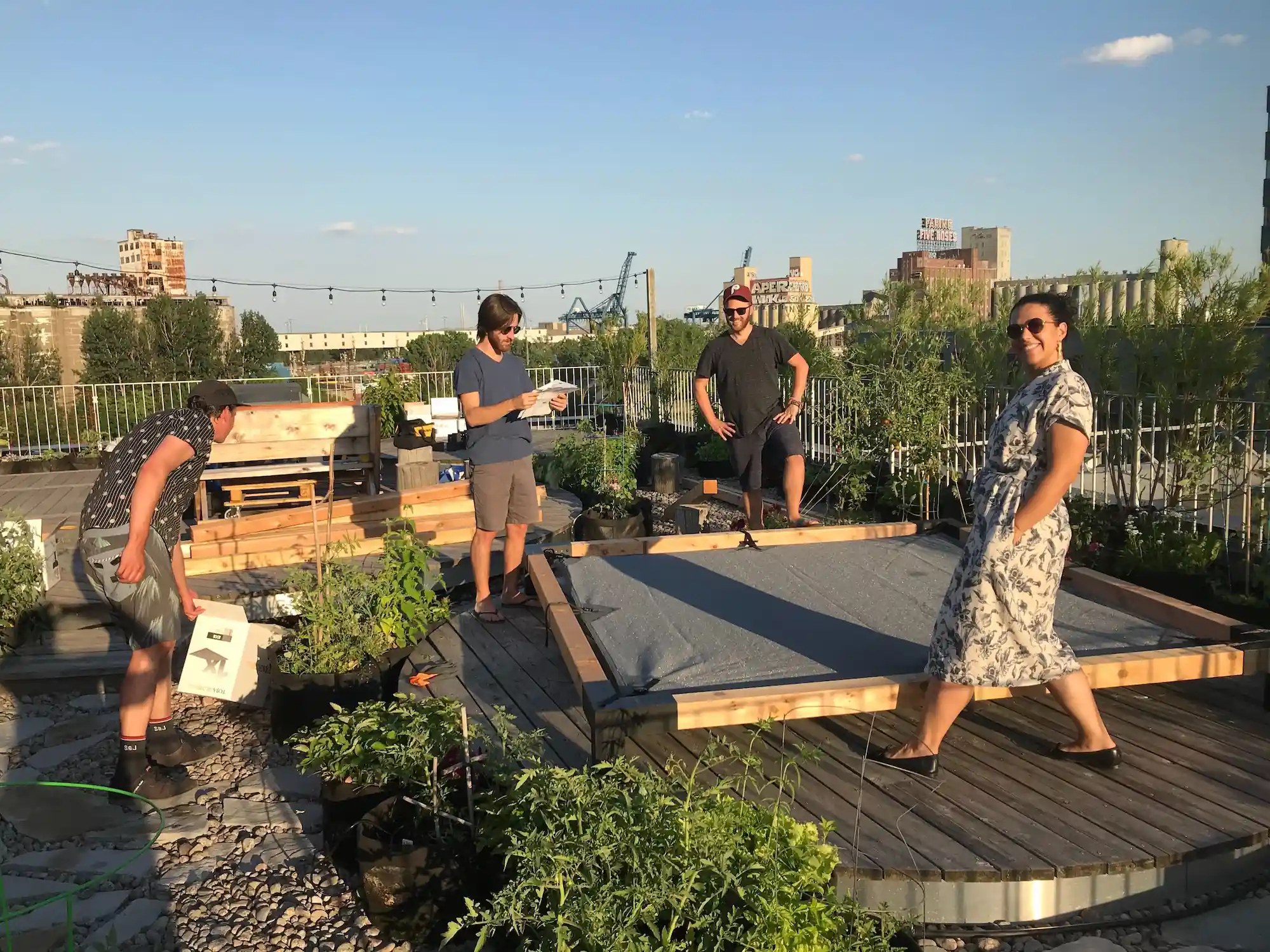
Build, Acquire, or Convert Housing
Last on the list, but a crucial part of the process, is building, acquiring, or converting housing.
It’s already been mentioned that government funders will be most likely to support organizations with a history of successful co-op housing management. As such, existing co-ops can have an easier time accessing funding to develop on their current land or expand.
This stage will require consultants and technical professionals.
Be sure to select a good team as they will guide this stage of your journey.

More Ways to Learn About Co-op Housing and Connect to the Sector
Follow CHF Canada on social media!
Get in touch with CHF Canada